Showing posts sorted by date for query Outer space. Sort by relevance Show all posts

Friday, January 16, 2026

Crafts: Solar System Mobile & Galaxy Watercolor Art


Crafts: Solar System Mobile & Galaxy Watercolor Art

Okay listen—sometimes homeschooling turns into cosmic chaos, and I fully support it. There’s something wildly therapeutic about flinging paint around while pretending you’re NASA’s newest recruit with glitter glue in one hand and a cup of coffee in the other. Today we’re blasting off into art class with two space-themed projects that are as educational as they are delightfully messy:

✨ A Solar System Mobile that lets your kids (and let’s be honest, you) hang the planets in perfect wobbly alignment.
🎨 And a Galaxy Watercolor Art project that’s basically therapy disguised as painting.

We’re talking sparkly orbits, salty nebulae, paint-splattered shirts, and probably at least one moment of “is this Jupiter or a meatball?” But that’s part of the fun. Ready? Let’s make the universe.

☀️ SOLAR SYSTEM MOBILE

You’ve seen them—those hanging planet mobiles that make you want to immediately redo your entire ceiling decor? Yeah. We’re making one. But our version involves more personality, more chaos, and probably a touch of glitter in your hair.


Supplies:
Black or white cardstock (or cut up cereal boxes—reduce, reuse, re-orbit)
Paint (acrylic or tempera works great)
Paintbrushes
Scissors
String, yarn, or fishing line
Wire hanger, stick, or wooden dowel
Hole punch or something pokey (technical term)
Glue
Optional: glitter, metallic markers, sequins, googly eyes (because Pluto deserves one)

How to Make It:
Draw your planets. Different sizes—Mercury’s a marble, Jupiter’s a beach ball. Don’t forget the Sun!
Paint them. Go classic or chaotic. Saturn doesn’t need to be beige. Add texture by sponging or flicking paint for that space dust effect.
Cut them out once dry, unless you like cosmic fingerprints as a motif.
Punch holes and thread your string through.
Tie them onto your hanger/stick at varying lengths so it looks like they’re orbiting and not forming a conga line.
Hang it up. You did it. You literally made a miniature solar system. You’re basically a celestial architect now.

đŸĒŠ Bonus tip: Add constellation cutouts, name labels, or even tiny rocket ships between planets for a full “living museum exhibit” vibe.

🎨 GALAXY WATERCOLOR ART

This one? Gorgeous. Cathartic. Messy in a way that’s good for your soul. It’s all about letting watercolor do its thing and watching an accidental masterpiece happen.


Supplies:
Watercolor paper (the thicker, the better)
Watercolor paints (or thinned-down acrylics)
Brushes or sponges
Cup of water
Paper towels
Salt (yes, actual salt—trust the process)
White gel pen or white paint (for stars)
Optional: metallic pens for constellations and sparkle

How to Make It:
Get your paper damp. Use a big brush to wet the surface—don’t drown it, just a nice cosmic mist.
Add your colors. Purples, blues, pinks, and blacks. Let them blend and swirl like interstellar soup.
Sprinkle salt while it’s still wet. The salt will absorb pigment and leave tiny star-like bursts. It’s actual magic.
Walk away. Let it dry completely (seriously, don’t poke it).
Brush off the salt and reveal your galaxy.
Flick on stars with white paint or a toothbrush, or dot constellations with a pen. Bonus points for naming your own nebula.
🌌 Optional: Outline planets, rockets, or the Moon once dry to turn your cosmic chaos into a legit art piece.

🧠 Bonus Learning Moment

You can sneak some science in here, too—talk about the order of the planets, gravitational pull, or why stars look like tiny salt flakes (okay, not exactly, but we’re having fun here). It’s equal parts art class, science lab, and stress relief.

When you’re done, hang your Solar System Mobile near your Galaxy Art and bask in your home-made universe. Congratulations—you’ve officially brought outer space to your living room, and all it cost you was a little glitter and sanity.

Tuesday, January 13, 2026

ASL Adventures: Learning Space Signs – Moon, Star, Rocket, and Astronaut


ASL Adventures: Learning Space Signs – Moon, Star, Rocket, and Astronaut

Alright, fellow chaos wranglers and tiny human explorers, it’s time to blast off into sign language in outer space! Yes, your hands can become rockets, stars, and moons—and no, it won’t be neat, but it will definitely be memorable.

*Some of the signs don't exactly match the GIF. What I posted is just a simpler version you can do with your kids, or you can use the GIF's provided*

Moon 🌙
How to sign it:
Make a “C” shape with your dominant hand (like you’re holding a crescent moon).
Place it sideways in front of your face or slightly off to the side, as if cradling a tiny moon.
Optional motion: gently rock your hand back and forth to show the moon orbiting.


Fun twist: Pretend your hand-moon is orbiting your head or floating in space. Toddlers love it when you make it “glow” with your other hand wiggling like starlight.

Why it’s fun: It’s tactile, visual, and perfect for talking about moon phases, astronauts, or moon cheese conspiracies. 🧀✨

Star ⭐
How to sign it:
Point your dominant index finger straight up.
Wiggle your finger side to side or in little circles to make it “twinkle.”

Optional: use your other hand in the background to mimic other twinkling stars for extra cosmic drama.


Fun twist: Count stars while signing, or create imaginary constellations. Encourage your kids to make up their own, like Glitterpants, because chaos = creativity.

Why it’s fun: Fingers get wiggly, kids get to imagine sparkling stars, and you sneak in counting and fine motor skills.

Rocket 🚀
How to sign it:
Put your hands together, palms touching, fingers straight and together—like a pencil or a rocket shape.
Point the rocket shape forward, and move it quickly upward in a “launch” motion.

Optional: add “whoosh!” sound effects, or wiggle your fingers like flames shooting out of the rocket boosters.


Fun twist: Have the kids sign the rocket while actually “launching” toys, balloons, or even your cat’s favorite laser pointer across the room.

Why it’s fun: It teaches motion visually, adds drama and sound, and connects ASL with STEM in a playful way.

Astronaut 👩‍🚀
How to sign it:
Make a fist with your dominant hand and tap it lightly to your forehead—this represents the astronaut’s helmet.
Extend your other hand outward, palm down, like you’re floating in zero gravity.

Optional motion: slowly “float” around the room while keeping the helmet hand in place, as if drifting through space.

*I could not for the life of me find a GIF for this one*

Fun twist: Pretend your rug is the moon’s surface and your toys are alien life. Bonus: have a mini space mission story while signing to combine ASL and imagination.

Why it’s fun: Kids love roleplay, it’s memorable, and it’s a perfect excuse to move around while practicing language.

Pro Tips for Cosmic Chaos:

Repeat signs while narrating a tiny space story: “The astronaut zooms past the moon and winks at a twinkling star before blasting into a rocket!”

Mix in sensory experiences—point to glow-in-the-dark stars, hold a small planet, or pretend to float in zero gravity.

Encourage little explorers to invent their own space signs. Chaos = learning.

Final Thoughts:

Learning ASL doesn’t have to be stiff or formal—it can be messy, magical, and totally cosmic. Your hands can tell the story of the universe: the moon, the stars, rockets, and brave little astronauts. And the best part? Kids will remember the signs forever because they acted it, felt it, and laughed through it.

So, ready for lift-off? 🤟🚀🌌✨

Monday, January 12, 2026

Space Crafts That Are Out of This World: DIY Galaxy Slime, Nebula Jars, and Star String Art

Crafts That Are Out of This World: DIY Galaxy Slime, Nebula Jars, and Star String Art

Okay, fellow parents, homeschoolers, and tiny human wranglers—brace yourselves. Today we’re going full cosmic chaos, turning your kitchen, living room, and general life space into a glittery, squishy, swirl-filled galaxy. Why? Because crafting is secretly the perfect excuse to explore the universe without leaving your house. And let’s be honest…space is just way cooler than vacuuming.

DIY Galaxy Slime: Squeeze the Universe 

Slime is basically a handheld, squishy, slightly chaotic universe, and it’s perfect for every age. 

You’ll need:
Clear or white glue
Baking soda
Contact lens solution
Food coloring (purple, blue, pink, metallic silver, black for “deep space vibes”)
Glitter, star-shaped confetti, tiny beads, or sequins for meteor vibes

How it works: 
Mix glue and baking soda, swirl in your colors like a mini galaxy, then add contact solution to make the magic happen. The slime should stretch, squish, and bounce back like a cosmic blob from another dimension.

Why it’s awesome:
Toddlers love the sensory experience—squish, stretch, poke, repeat.
Older kids can practice color mixing, layering, and swirling techniques.
Bonus chaos: make multiple slimes and swirl them together—instant cosmic nebula explosion.

Extra tips: Keep an airtight jar handy; this slime can double as a “look but don’t touch” desktop galaxy…until someone inevitably squeezes it.

This image is made using AI as I have not made this slime yet.

Nebula Jars: Mini Galaxies in a Bottle.

Nebula jars are like DIY lava lamps met the night sky. 
You’ll need:
A clear jar or bottle
Water
Cotton balls (torn into fluffy cloud bits)
Food coloring in blues, purples, pinks, and a splash of glitter
Optional: glow-in-the-dark paint for a nighttime cosmic effect

How it works: 
Layer the cotton into the jar, then drip in food coloring and glitter between layers. Swirl gently with a stick to create nebula-like clouds. The result? A tiny galaxy in your hands, full of color, shimmer, and chaos.

Why it’s awesome:
It teaches color blending and layering without even saying “science lesson.”
Great for calming sensory play—the swirling effect is mesmerizing.

Bonus: glow-in-the-dark paint makes it perfect for bedtime stargazing indoors.

Pro parenting tip: Let the kids narrate their nebula jars—“This one is Planet Glitterpants!”—because imagination is the best fuel for learning.

This image is made using AI as I have not made this yet.

Star String Art: Constellations You Can Hang 

String art is the perfect combination of tactile, visual, and slightly OCD-friendly chaos.
 You’ll need:
A wooden board or thick cardboard
Small nails or pushpins
Embroidery floss or colorful string
Hammer (for nails) or patience (for pushpins)

How it works:
Draw star shapes or constellation outlines on your board.
Hammer in nails at each star point.
Wrap string around nails, connecting stars to form constellations.

Why it’s awesome:
Toddlers can choose string colors or wrap string randomly for “chaotic constellations.”
Older kids can recreate actual star patterns—Orion, Big Dipper, maybe even make up their own.

Bonus aesthetic: it looks fancy on the wall even if your life is messy.

Extra chaos factor: Encourage them to make neon or glitter string constellations. Suddenly, your wall is hosting a cosmic rave.

This image is made using AI as I have not made this yet.

Final Thoughts:

Galaxy slime, nebula jars, and star string art aren’t just crafts—they’re tiny universes of sensory play, color exploration, and chaotic fun. They let kids (and adults, let’s be honest) touch, swirl, and create their own little corners of the cosmos.

The best part? Each craft sneaks in a mini science lesson without anyone realizing: color mixing = chemistry, layering = physics, constellations = astronomy. And you’ll get to say things like “we just made a supernova in a jar!” without needing a PhD.

So grab your glitter, jars, glue, and strings. Embrace the chaos. Celebrate the mess. And remind your little explorers that the universe isn’t neat, and that’s what makes it beautiful. 

Friday, January 9, 2026

Fun Space Questions: Family Discussion Prompts for Cosmic Conversations

Fun Space Questions: Family Discussion Prompts for Cosmic Conversations

Let’s be honest — family conversations can swing wildly from deep philosophy to “who would win in a fight: a robot or a T. rex?” But that’s the beauty of it. If you’re looking for something to spark curiosity, laughter, and maybe even a little chaos at the dinner table (or bedtime, or car ride), space-themed questions are perfect.

Because what’s more fun than letting your brain float through the cosmos while the toddler insists they’re already an alien?

Here are 10 cosmic conversation starters that work for every age — from the “I just learned about planets” crowd to the “I’ve watched Interstellar twelve times” parents.

1. If you could live on any planet, which one would you choose — and what would your house look like?
Would you build a crystal dome on Saturn? A bubble house on Mars? A cozy mushroom cottage on Pluto? Encourage wild details. (Bonus points for someone mentioning a zero-gravity kitchen.)

2. What do you think aliens eat for breakfast?
Do they sip glowing space smoothies? Crunch moon rocks? Eat pizza like us but upside down? There are no wrong answers — just weird ones.

3. If you were an astronaut on a space mission, what one comfort item would you pack from home?
A favorite blanket? A pet rock? That one specific brand of mac and cheese? This question is surprisingly revealing about everyone’s idea of “essential.”

4. What song would you listen to while floating through space?
It can be dramatic (think “Space Oddity”) or ridiculous (“Twinkle, Twinkle Little Star” but remixed). Have everyone explain their pick.

5. If we discovered a new planet tomorrow, what would you name it — and what would live there?
The naming part always gets chaotic fast. Expect answers like “Planet Glitter Explosion” or “Steve.” Let the kids describe what creatures live there, what color the sky is, and what snacks they’d serve visitors.

6. Do you think time travel should be possible — and where (or when) would you go first?
Would you visit the dinosaurs, your future self, or the day pizza was invented? It’s a fun mix of science and imagination that gets both kids and adults thinking big.

7. What would happen if gravity suddenly disappeared for one day?
This one gets everyone moving. How would you eat cereal? How would you brush your teeth? Who would get stuck on the ceiling first? (Spoiler: probably the cat.)

8. Would you rather explore the ocean or outer space — and why?
A classic “would you rather” question that always divides the table. Some kids are all about sea monsters, others are team rocket ship. Either way, the debate will be glorious.

9. If you met an alien who didn’t know anything about Earth, what’s the first thing you’d show or tell them?
Would you take them to a park, show them a pizza slice, introduce them to chocolate, or explain why humans willingly go to school? The answers will probably tell you everything you need to know about your family’s priorities.

10. What do you think Earth looks like from space — and what do you think aliens would say about it?
Would they see it as a sparkling jewel? A messy blue marble full of drama? Or maybe they’d just think it looks like a giant cookie?

How to Use These Questions
Dinner Table Debates: Pick one question a night while everyone eats.
Bedtime Chat: End the day by floating through imaginary galaxies together.
Road Trips: Use them when everyone’s tired of “are we there yet?”
Homeschool Discussions: Let each kid draw or write their answers afterward.

The best thing about space discussions is that there are no wrong answers — just creativity, laughter, and a few very strong opinions about which planet has the best real estate.

So go ahead. Ask the weird questions. Build a little wonder back into your day. After all, we’re all just tiny astronauts spinning through space together — might as well make the ride interesting.

Wednesday, January 7, 2026

Space Songs for Kids: Blast Off Into Musical Orbit!


Space Songs for Kids: Blast Off Into Musical Orbit!

Hey there, cosmic explorers! Buckle up your imaginary rocket belt and get ready for lift-off, because we’re turning your home (or car!) into a musical space station. Here are 30+ songs (or close!) that celebrate rockets, planets, stars, astronauts, and all things outer space. You’ll find some you know, some you’ll want to add, and all of them are perfect for moving, singing, dancing, and learning.

đŸŽļ Songs to Add to Your Playlist


“The Eight Planets” – Space Song for Kids / Solar System (JunyTony) YouTube+1


“Rocketship Run” – Laurie Berkner Band Pre-K Pages+1


“Countdown to Blastoff” – Jack Hartmann PreKinders Preschool Activities+1


“Zoom, Zoom, We’re Going to the Moon” – The Kiboomers PreKinders Preschool Activities+1


“Sun, Moon & Stars” – The Singing Walrus Preschool Inspirations+1


“Astronauts!” – Bounce Patrol Pre-K Pages+1


“Climb Aboard the Spaceship!” – (Tune of “Itsy Bitsy Spider”) Preschool Education+1


“Space Action Song” – Traditional/Unknown Preschool Education


“If You’re Going to the Moon” – Jbrary Preschool Inspirations


“Alphabet Space” – Bounce Patrol Preschool Inspirations


“The Planets Song” – The Singing Walrus PreKinders Preschool Activities+1


“Solar System Song” – The Kiboomers PreKinders Preschool Activities


“Planet Song” – Kids Preschool (Solar System Song) Pre-K Pages


“Moon Song” – JunyTony YouTube+1


“Dwarf Planets Song” – Hopscotch Songs (feat. Jessica Pace) YouTube


“Earth and the Moon” – JunyTony / Learn Planets © YouTube


“Eight Planets” – Pinkfong Songs for Children Pre-K Pages


“Space & Planets Songs for Kids” – YouTube playlist/compilation (many mini-songs) YouTube


“Space Man” – KIDZ BOP Kids (official video) YouTube


“Woodpeckers from Space” – Video Kids (novelty space pop) Wikipedia

21-30. Plus: Many that fall into the “space genre for kids” category captured on curated playlists like “Space Songs for Kids – Rockets, Planets, Aliens & More” on Spotify. Spotify

How to Use Them (Because Music + Movement = Magic)


Sing & Move: For songs like “Rocketship Run” or “Countdown to Blastoff,” get the little ones standing, pretending to be astronauts, counting down, lifting arms like rocket flames.


Learning Through Lyrics: Songs like “The Planets Song” or “Eight Planets” help kids memorize planet names and order (Mercury, Venus… etc.).


Wind-Down Moments: Slower songs like “Sun, Moon & Stars” can become part of bedtime or calming down after play.


Dance Party + Chaos: “Space Man” or “Woodpeckers from Space” -> full living room disco with alien footwork, moonwalks, starlight spins.


Background Music for Crafts or Activity: While doing a space craft (nebula jars, galaxy slime, etc.), play songs softly in the background for immersive vibe.

🎧 Extra Playlist Tip

Want a ready-made option? There’s a Spotify playlist called “Space & Astronauts Kids Songs” with over 2 hours of space-themed kids music. Spotify

✨ Final Thoughts

Music is a beautiful way to blend fun, movement, learning, and imagination. These space songs give kids the vocabulary of rockets, planets, stars—and you get maybe 10 minutes of relative calm (or organized chaos) while they imagine flying through the cosmos. So… play it loud, blast off into orbit, and let little astronauts explore the galaxy in six-minute chunks of song.

Friday, January 2, 2026

Schoolin' With My Homies: Space 101: How to Teach Astronomy to Any Age


Okay, fellow homeschoolers, space nerds, and tiny curious humans—buckle up because today we’re blasting off into the wild, infinite, confusingly huge cosmos that is astronomy. And yes, you can teach it to any age, from your pint-sized stargazer to your kid who just discovered they like asking “why?” approximately 87 times per minute.

Step 1: Start With the “Big Whoa!” 
Before you dive into planets, stars, and black holes (oh my), give them a moment of awe. Show them a picture of the Milky Way, Pluto memes, or literally point at the night sky. Ask questions like: “Do you think aliens are watching us right now?” or “Which star do you think is the boss of the sky?” Curiosity is the rocket fuel here.

Step 2: Hands-On is Non-Negotiable 
Astronomy can get abstract. Planets floating in space? Light-years? Totally weird concepts. Bring it down to Earth—literally. 
Use:
Balls of different sizes to model planets (bonus points if you glitter the “space dust”)
Flashlights to show how the sun lights the Earth
Marshmallows or grapes to plot constellations

Even toddlers can join with “space sensory bins” filled with stars, planets, and comets you squish and scoop. Older kids? Launch homemade rocket experiments or build a papier-mÃĸchÊ solar system that may or may not collapse dramatically.

Step 3: Layer the Learning 
Here’s the trick for any age: layer complexity.
Toddlers: “Big round sun, little round Earth, spin spin spin!”
Early elementary: “Earth rotates so day and night happen, and seasons are caused by tilts!”
Upper elementary/teens: “Let’s calculate how long it takes for light to travel from the Sun to Earth…oh hey look, 8 minutes and 20 seconds. Mind. Blown.”
The same concept, just dialed up. Kids of any age can join at their level.

Step 4: Make It Storytime 
Humans are wired for stories. Planet myths, astronauts’ adventures, black hole drama—wrap your lessons in narratives. “Once upon a time, Jupiter was feeling lonely, so he grabbed all his moons and made a whole party around him.” Suddenly, moons aren’t just rocks—they’re characters.

Step 5: Mix in Chaos 
Space is big. Space is messy. Space doesn’t follow your neat lesson plan. That’s fine. If your toddler is throwing glitter stars at the dog mid-lesson, or your teen is insisting Pluto is still a planet in a 20-minute debate, roll with it. Chaos = learning.

Step 6: Use All the Resources 
Apps that show constellations in real-time
Backyard telescopes (or just binoculars, we’re not picky)
YouTube videos that explain black holes without needing a PhD
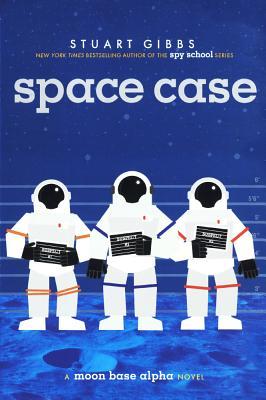
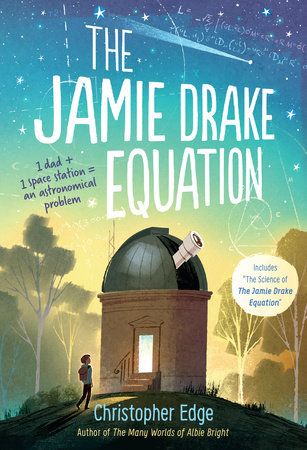
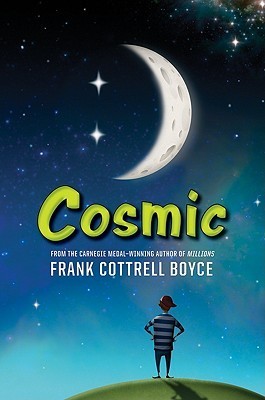
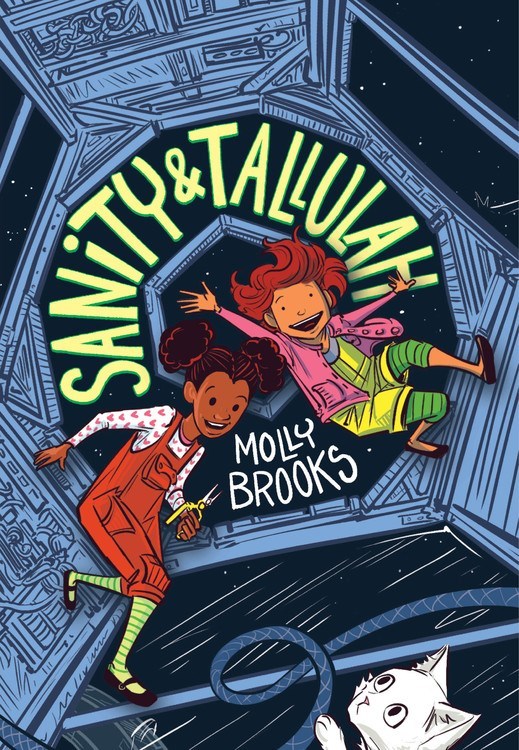
Books—fiction and nonfiction—because yes, you can read about astronauts fighting space slugs and learn orbital mechanics at the same time

Step 7: Celebrate the Tiny Wins 
Did your 3-year-old correctly point out the moon? Did your 10-year-old build a rocket that actually flies (ish)? Celebrate! Space is huge, and even tiny steps count.

So there you go—astronomy for every age. Start small, go chaotic, sprinkle in hands-on fun, layer the learning, tell stories, embrace the mess, and you’ve got yourself a homeschool space program. Bonus: no pressure to ever leave the couch if a meteor shower is happening outside while you sip cocoa inside.

Ready? Launch in 3…2…1… 🚀

Monday, December 29, 2025

Schoolin' With My Homies: January's theme is... Outer Space!


My adventures in homeschooling my kiddos.

January's theme is... Space! 

There’s something magical about January—the quiet after the holidays, the chill in the air, and the endless night sky sparkling above. It feels like the perfect time to slow down, look up, and let curiosity pull us into orbit.

This month, we’re trading snowflakes for stardust and turning our lessons toward the stars. The theme? SPACE!

We’ll be learning how rockets blast off, what makes comets glow, and how constellations tell stories across time. Our days will be filled with bubbling rocket experiments, glittery galaxy crafts, moon-dust sensory play, and maybe a few astronaut snacks along the way (freeze-dried strawberries, anyone?).

Space month is all about wonder—asking big questions, exploring big ideas, and realizing how small and extraordinary our little blue planet really is. Whether you’re building a cardboard rocket in the living room or reading under a blanket fort with a flashlight “moon,” every moment this month is a tiny adventure waiting to happen.

So grab your helmets and imagination—it’s time to blast off into a brand-new year filled with curiosity, creativity, and cosmic fun.

Foods:
Galaxy Popcorn
What you’ll need:
Fresh popcorn
Colored sugar or edible glitter (purple, blue, silver)
Melted white chocolate or candy melts
How to make it:
Drizzle the melted chocolate over popcorn laid out on parchment paper. Sprinkle the colorful sugar or glitter while it’s still warm. Let it cool, break apart, and cue the oohs and aahs.

Moon Cookies
What you’ll need:
Sugar cookie dough
Round cookie cutter
Powdered sugar or edible silver dust
How to make it:
Bake the cookies, then dust them with powdered sugar or shimmer powder to create crater-like texture. For extra fun, let kids press a spoon into the dough before baking to make “craters.”

Black Hole Donuts
What you’ll need:
Chocolate donuts
Black icing or glaze (black food coloring + chocolate glaze)
Silver sprinkles
How to make it:
Glaze donuts with black icing and sprinkle a few edible “stars.” Serve with milk for your morning trip into the void.

Comet Trail Pretzel Rods
What you’ll need:
Pretzel rods
Melted chocolate or candy melts
Sprinkles or colored sugar
How to make it:
Dip one end of each pretzel in melted chocolate, then roll in sprinkles. Lay them on wax paper to set—the streaks look like comet tails.

Nebula Smoothies
What you’ll need:
Blueberries, strawberries, bananas, yogurt, milk
Food coloring (optional for drama)
How to make it:
Blend fruits separately to create different colored smoothies, then spoon alternating layers into a glass. Swirl lightly with a straw for that cosmic cloud look.

Crafts: 
Paper Plate UFOs
Turn an ordinary paper plate into an intergalactic vehicle ready for adventure!
You’ll need: 2 paper plates, glue, scissors, markers or paint, plastic cup, foil or sequins.
How to make it: Paint or color both plates silver. Sandwich them together (bottoms facing out) with a cup glued on top for the cockpit. Decorate with foil bits or sequins for blinking lights.

Cotton Ball Galaxies
A fluffy swirl of cosmic color perfect for rainy afternoons.
You’ll need: cotton balls, black or dark blue paper, paint or liquid watercolor, glue, glitter.
How to make it: Dip cotton balls in colorful paint and glue them down in spirals to form your own galaxy. Sprinkle glitter “stardust” before it dries.

 Paper Star Wands
A little sparkle never hurt an explorer.
You’ll need: cardstock stars, wooden dowels or straws, ribbon, glue, paint.
How to make it: Decorate stars, glue to dowels, tie ribbon tails, and wave your cosmic power around the room.

Galaxy Watercolor Art
Swirling colors and shimmering stars make this a gorgeous art-meets-science project.
You’ll need: watercolor paper, watercolor paints (blue, purple, black), white paint or gel pen, salt.
How to make it: Paint the paper in galaxy colors, sprinkle salt while still wet for starburst textures, let dry, brush off the salt, then dot white paint stars across your night sky.

Glow Star Mobiles
Bring the night sky indoors.
You’ll need: glow-in-the-dark stars or paper cutouts, string, small branch or dowel, tape.
How to make it: Tie string to each star, hang from the branch, and display near a window or lamp to charge up the glow.

Pipe-Cleaner Aliens
Wiggly, colorful creatures from another world!
You’ll need: assorted pipe cleaners, pom-poms, googly eyes, beads.
How to make it: Twist and bend pipe cleaners into alien shapes, glue on eyes, add beads for texture, and give them funny names.

Constellation Jars
A glowing galaxy right in a mason jar.
You’ll need: clean jars, black paper, push pin or needle, tape, LED tealight.
How to make it: Poke constellation holes into the black paper, wrap inside the jar, and drop in the tealight. When lit, constellations shine like the real night sky.

Galaxy Resin Keychains
Carry a tiny galaxy wherever you go.
You’ll need: UV or epoxy resin kit, mica powder or glitter, small molds, jump rings, keychain hardware.
How to make it: Mix resin according to instructions, stir in mica or glitter for a nebula swirl, pour into molds, cure, and attach hardware. Each one becomes a mini universe on your backpack.

Glow Planet Canvas Paintings
Brighten your room with glowing planets and stars.
You’ll need: canvas, acrylic paint, glow-in-the-dark paint, brushes, optional glitter.
How to make it: Paint a colorful galaxy background, then layer planets and stars. Finish with glow paint so your art comes alive in the dark.

Space Jewelry
Wear the cosmos around your neck.
You’ll need: beads, string or wire, small galaxy charms, pliers.
How to make it: Thread beads in planet-inspired colors, add a charm, and finish with a clasp. Try color-coding each “planet” in order of the solar system!

Sensory:
Moon Sand
Powdery, moldable, and perfect for lunar craters.You’ll need: 8 cups flour, 1 cup baby oil, optional black or gray coloring.
How to make it: Mix ingredients until it holds shape when pressed. Add toy astronauts, mini flags, or rocks to create a mini moon base.

Glow Star Rice Bin
Calming, colorful, and luminous.
You’ll need: rice dyed with black and blue food coloring, mini glow stars, scoops, cups.
How to make it: Mix everything together and play under a blacklight for extra magic.

Asteroid Bin (Magnet Hunt)
Hands-on science and sensory in one!You’ll need: foil balls (with small magnets inside), black beans or lentils, magnetic wand or stick.How to make it: Hide the foil asteroids under the beans and let kids dig them out using magnet wands like real scientists.

Color-Mixing Nebula Jars
Swirly, dreamy galaxy-in-a-jar fun.You’ll need: clear jars, cotton balls, water, food coloring, glitter.How to make it: Layer cotton, water tinted with color, and glitter. Repeat until full—each layer becomes a nebula cloud.

Kinetic Sand Crater Bin
Build and explore moon landscapes.You’ll need: kinetic sand, rocks, small balls, astronauts or toy cars.How to make it: Shape moon surfaces, roll balls to make “craters,” and add figurines to create stories on the surface of the moon.

Shaving Cream Nebula Clouds
Soft, fluffy color-mixing experiment.You’ll need: shaving cream, liquid watercolors, tray, toothpick.
How to make it: Spray shaving cream on a tray, drop colors on top, and swirl for colorful clouds that look just like nebulas.

STEM:
Moon Crater Impact Experiment
Physics + observation fun.
You’ll need: flour, cocoa powder, tray, and marbles.
How to make it: Layer flour in a pan, sprinkle cocoa on top, then drop marbles from different heights. Observe the “craters” that form and measure their size.
 This models how meteors create impact craters on the Moon.

Alien Life Adaptation Challenge
Science + creativity = critical thinking gold.
Kids brainstorm what an alien species would need to survive on a chosen planet — think oxygen sources, protection from radiation, and food systems — then build models or draw their ideas.

Scale of the Solar System Walk
Experience astronomical scale — literally!
You’ll need: long outdoor space, printed planet labels, tape measure, chalk.
How to make it: Mark where each planet would be if the Sun were the size of a soccer ball. (Earth is about 10 feet away, Neptune nearly 300 feet!) Discuss how vast space really is.

Solar Energy Race
Learn how the Sun powers movement.
You’ll need: toy cars, black paper, white paper, thermometer, sunlight.
How to make it: Park one car on black paper and one on white paper in sunlight. After a few minutes, feel the temperature difference. Discuss how dark colors absorb more heat energy — same idea behind solar panels!

Research Topics:
What are the phases of the Moon and why do they happen?
What are constellations and how did they get their names?
What causes craters on the Moon?
What happens during a solar or lunar eclipse?
What are wormholes, and could they really exist?
How do black holes form?

Bible 
1. God Created the Universe
Verse: “In the beginning God created the heavens and the earth.” — Genesis 1:1
Lesson: Before there were stars, planets, or galaxies, there was God. He spoke everything into being — from the glowing sun to the tiniest grain of space dust. This reminds us that God is powerful, creative, and intentional in every detail of His creation.

2. The Heavens Declare God’s Glory
Verse: “The heavens declare the glory of God; the skies proclaim the work of His hands.” — Psalm 19:1
Lesson: When we look at the stars or pictures from telescopes, we’re seeing the incredible beauty God made to show His glory. Every star is like a shining reminder that God is real and that His handiwork is far beyond anything we could create.

3. God Holds Everything Together
Verse: “He is before all things, and in Him all things hold together.” — Colossians 1:17
Lesson: Just like gravity holds planets in orbit, God holds the entire universe — and our lives — together. Even when we can’t see how things will work out, we can trust that God is in control of every detail.

4. God Knows Every Star (and You!)
Verse: “He determines the number of the stars and calls them each by name.” — Psalm 147:4
Lesson: The universe is so big that we can’t count the stars — but God can! He knows each one by name, just like He knows you. You are more special to Him than all the stars in the sky.

5. We Shine Like Stars
Verse: “Then you will shine among them like stars in the sky.” — Philippians 2:15
Lesson: When we choose to be kind, patient, and loving, we stand out in a dark world just like stars shine in a dark night. God calls us to be bright lights for Him.

Books: 
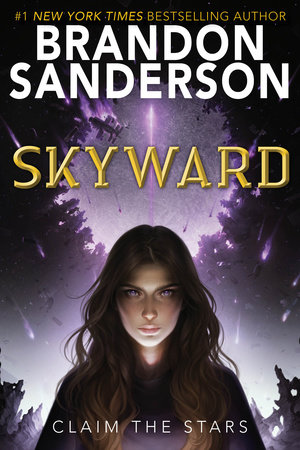
Fiction Books for preschoolers and lower elementary:

Non-Fiction Books for preschoolers and lower elementary:


Fiction Books for upper elementary and middle schoolers:


Non-Fiction Books for upper elementary and middle schoolers:

Movies:

Youtube videos:
My themed playlist here

ASL:

Space
Hold your hands in front of you, palms facing each other.
Move them apart slowly to show how big space is.
Look upward to show “outer space.”

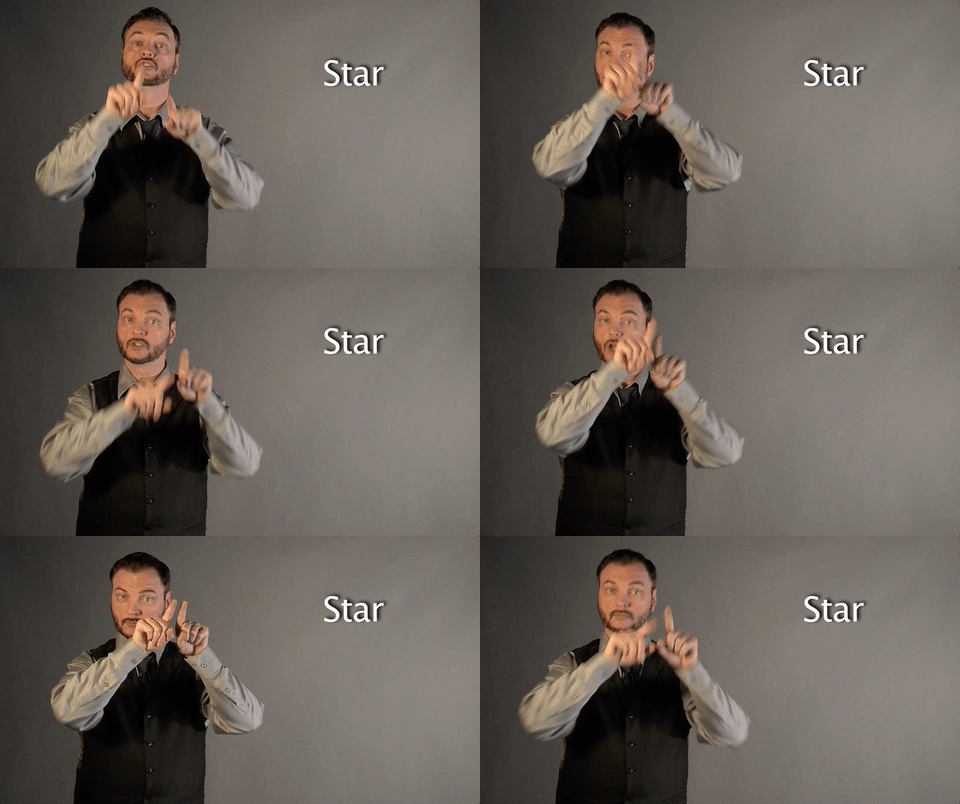
Star
Point both index fingers up.
Rub them past each other a few times in tiny up-and-down motions — like twinkling stars.

Sun
Make a “C” hand near your forehead.
Move it outward and open your fingers wide — like sunshine coming out.
Smile like it’s bright!

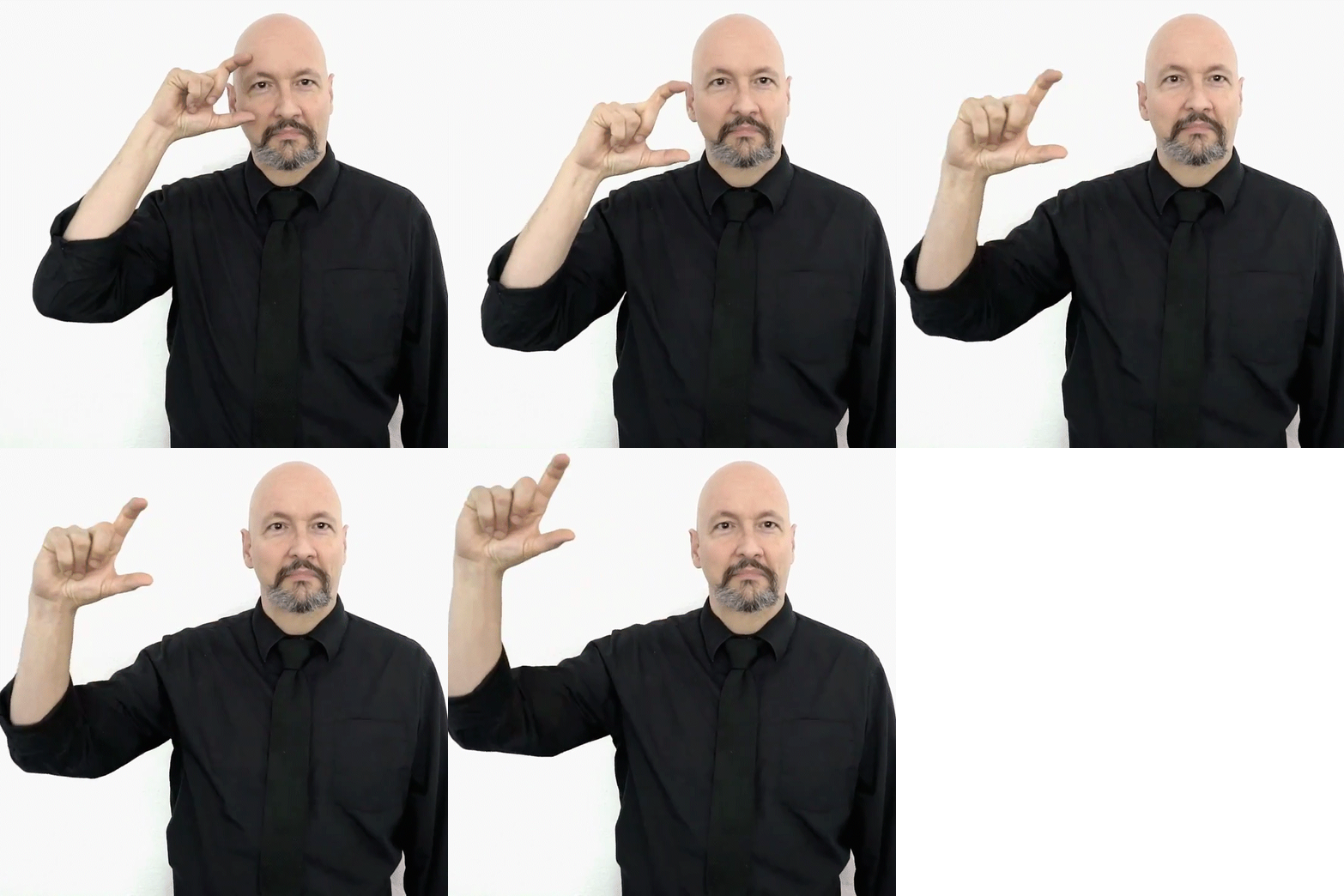
Moon
Make a small “C” shape with your thumb and index finger.
Place it by your eye and move it up a little — like a crescent moon in the sky.

Earth/World
Make a fist with one hand (that’s the planet).
With the other hand, wrap your thumb and middle finger around it and twist a little — like the Earth turning.

Planet
Use one hand to make a small circle around your other hand — like a planet orbiting.
You can also sign “EARTH” if you mean “planet.”

 Rocket
Make the letter “R” (cross your fingers).
Place it on your other flat hand (the launch pad).
Then zoom it upward fast — like a rocket blast-off!

 Astronaut
Pretend to put on a big round helmet with both hands — that’s your space helmet!
You can also spell it: A-S-T-R-O-N-A-U-T.

Satellite
Hold one hand still (Earth).
Use your other index finger to go in circles around it — like a satellite orbiting.

 Orbit
Point one finger and make it go in a circle around something in the air — that’s how planets orbit the sun.

Comet/Shooting Star
Point up, then move your finger fast across the sky — like a star shooting through space.
You can trail your fingers behind it to show the comet’s tail.

Alien
Touch your forehead with your index finger, then move it up into a bent “V” shape — like antennas!
Or just spell it: A-L-I-E-N.

Life Skills:
For Toddlers (1–4 Years)
Theme: Learning Like Little Astronauts
Focus: Independence, routines, and sensory exploration

Suit Up Practice (Dressing Skills)
Pretend to put on a space suit — gloves, boots, helmet (use coat, shoes, hat).
Skill: Practice putting on and taking off clothes.
Space Connection: Astronauts must learn to dress carefully in gear.

Mission Cleanup
Pick up “space rocks” (balls or toys) and return them to the “rocket base” (toy bin).
Skill: Cleaning up after playtime.
Space Connection: Astronauts must keep the spacecraft tidy and safe.

Snack Time Space Prep
Help open snack containers or pour water into a cup.
Skill: Fine motor control and self-feeding.
Space Connection: Astronauts eat carefully packaged food in space.

Rocket Hand Washing Countdown
Count down from ten while scrubbing hands (“10…9…8…”).
Skill: Proper hand washing.
Space Connection: Astronauts must stay germ-free in space.

Space Sorting Station
Sort “moon rocks” by color or size.
Skill: Categorization and visual discrimination.
Space Connection: Scientists sort space samples by type and size.

For A Little Older Kids (5–8 Years)
Theme: Becoming Junior Astronauts
Focus: Daily routines, responsibility, and early safety awareness

Astronaut Morning Routine Chart
Brush teeth, get dressed, make the bed, and check off each step on a “launch checklist.”
Skill: Morning routine management.
Space Connection: Astronauts use checklists before every mission.

Space Snack Prep
Make a “space mix” with cereal, pretzels, and dried fruit.
Skill: Basic food prep and nutrition awareness.
Space Connection: Astronauts mix small meals in zero gravity.

Laundry Lift-Off
Sort light and dark clothes into different baskets.
Skill: Sorting laundry.
Space Connection: Astronauts must keep clothing organized for cleaning in space.

Space Safety Practice
Role-play what to do in different emergencies, like getting lost or needing help.
Skill: Safety awareness.
Space Connection: Astronauts practice safety drills before missions.

Budgeting Galaxy Game
Use play money to “buy supplies” for a space trip.
Skill: Early money management.
Space Connection: NASA plans budgets carefully for every mission.

For Older Kids (8-13 Years)
Theme: Space Crew Members
Focus: Problem-solving, teamwork, and responsibility

Mission Menu Planning
Plan a healthy “space menu” for one day.
Skill: Nutrition and meal planning.
Space Connection: Astronauts plan balanced meals for long missions.

Space Laundry and Cleaning Rotation
Create a “crew schedule” for household chores.
Skill: Organization and responsibility.
Space Connection: Each astronaut has daily maintenance tasks on the space station.

Communication Control Center
Practice using calm, clear language to report problems or ask for help.
Skill: Communication and self-expression.
Space Connection: Astronauts must communicate clearly with mission control.

Budget Your Mission
Use a small budget to “buy supplies” for a craft or snack project.
Skill: Basic budgeting and planning.
Space Connection: NASA manages limited resources for space travel.

DIY First Aid Pack
Learn what items go in a first aid kit and what each one does.
Skill: Health and safety awareness.
Space Connection: Astronauts are trained to perform first aid in space. 

Field Trips:
Planetarium Visit – Watch a show about the stars and planets.

Science Museum – Explore space exhibits, rockets, and astronaut gear.

Stargazing Night – Go somewhere dark and look at constellations and planets.

Rocket Launch Project – Visit a local park and launch small model rockets.

Space Simulation Day – Create a “Mission Control” and “Crew” experience at a local science center.

Virtual Space Field Trip – Watch NASA tours or space station videos online.

Coloring pages:

I Scream, You Scream Horror Movie Challenge Intro

I Scream, You Scream Horror Movie Challenge is a feature where every month I am challenging myself to watch every movie on one bingo card. T...