Monday, December 29, 2025

Schoolin' With My Homies: January's theme is... Outer Space!


My adventures in homeschooling my kiddos.

January's theme is... Space! 

There’s something magical about January—the quiet after the holidays, the chill in the air, and the endless night sky sparkling above. It feels like the perfect time to slow down, look up, and let curiosity pull us into orbit.

This month, we’re trading snowflakes for stardust and turning our lessons toward the stars. The theme? SPACE!

We’ll be learning how rockets blast off, what makes comets glow, and how constellations tell stories across time. Our days will be filled with bubbling rocket experiments, glittery galaxy crafts, moon-dust sensory play, and maybe a few astronaut snacks along the way (freeze-dried strawberries, anyone?).

Space month is all about wonder—asking big questions, exploring big ideas, and realizing how small and extraordinary our little blue planet really is. Whether you’re building a cardboard rocket in the living room or reading under a blanket fort with a flashlight “moon,” every moment this month is a tiny adventure waiting to happen.

So grab your helmets and imagination—it’s time to blast off into a brand-new year filled with curiosity, creativity, and cosmic fun.

Foods:
Galaxy Popcorn
What you’ll need:
Fresh popcorn
Colored sugar or edible glitter (purple, blue, silver)
Melted white chocolate or candy melts
How to make it:
Drizzle the melted chocolate over popcorn laid out on parchment paper. Sprinkle the colorful sugar or glitter while it’s still warm. Let it cool, break apart, and cue the oohs and aahs.

Moon Cookies
What you’ll need:
Sugar cookie dough
Round cookie cutter
Powdered sugar or edible silver dust
How to make it:
Bake the cookies, then dust them with powdered sugar or shimmer powder to create crater-like texture. For extra fun, let kids press a spoon into the dough before baking to make “craters.”

Black Hole Donuts
What you’ll need:
Chocolate donuts
Black icing or glaze (black food coloring + chocolate glaze)
Silver sprinkles
How to make it:
Glaze donuts with black icing and sprinkle a few edible “stars.” Serve with milk for your morning trip into the void.

Comet Trail Pretzel Rods
What you’ll need:
Pretzel rods
Melted chocolate or candy melts
Sprinkles or colored sugar
How to make it:
Dip one end of each pretzel in melted chocolate, then roll in sprinkles. Lay them on wax paper to set—the streaks look like comet tails.

Nebula Smoothies
What you’ll need:
Blueberries, strawberries, bananas, yogurt, milk
Food coloring (optional for drama)
How to make it:
Blend fruits separately to create different colored smoothies, then spoon alternating layers into a glass. Swirl lightly with a straw for that cosmic cloud look.

Crafts: 
Paper Plate UFOs
Turn an ordinary paper plate into an intergalactic vehicle ready for adventure!
You’ll need: 2 paper plates, glue, scissors, markers or paint, plastic cup, foil or sequins.
How to make it: Paint or color both plates silver. Sandwich them together (bottoms facing out) with a cup glued on top for the cockpit. Decorate with foil bits or sequins for blinking lights.

Cotton Ball Galaxies
A fluffy swirl of cosmic color perfect for rainy afternoons.
You’ll need: cotton balls, black or dark blue paper, paint or liquid watercolor, glue, glitter.
How to make it: Dip cotton balls in colorful paint and glue them down in spirals to form your own galaxy. Sprinkle glitter “stardust” before it dries.

 Paper Star Wands
A little sparkle never hurt an explorer.
You’ll need: cardstock stars, wooden dowels or straws, ribbon, glue, paint.
How to make it: Decorate stars, glue to dowels, tie ribbon tails, and wave your cosmic power around the room.

Galaxy Watercolor Art
Swirling colors and shimmering stars make this a gorgeous art-meets-science project.
You’ll need: watercolor paper, watercolor paints (blue, purple, black), white paint or gel pen, salt.
How to make it: Paint the paper in galaxy colors, sprinkle salt while still wet for starburst textures, let dry, brush off the salt, then dot white paint stars across your night sky.

Glow Star Mobiles
Bring the night sky indoors.
You’ll need: glow-in-the-dark stars or paper cutouts, string, small branch or dowel, tape.
How to make it: Tie string to each star, hang from the branch, and display near a window or lamp to charge up the glow.

Pipe-Cleaner Aliens
Wiggly, colorful creatures from another world!
You’ll need: assorted pipe cleaners, pom-poms, googly eyes, beads.
How to make it: Twist and bend pipe cleaners into alien shapes, glue on eyes, add beads for texture, and give them funny names.

Constellation Jars
A glowing galaxy right in a mason jar.
You’ll need: clean jars, black paper, push pin or needle, tape, LED tealight.
How to make it: Poke constellation holes into the black paper, wrap inside the jar, and drop in the tealight. When lit, constellations shine like the real night sky.

Galaxy Resin Keychains
Carry a tiny galaxy wherever you go.
You’ll need: UV or epoxy resin kit, mica powder or glitter, small molds, jump rings, keychain hardware.
How to make it: Mix resin according to instructions, stir in mica or glitter for a nebula swirl, pour into molds, cure, and attach hardware. Each one becomes a mini universe on your backpack.

Glow Planet Canvas Paintings
Brighten your room with glowing planets and stars.
You’ll need: canvas, acrylic paint, glow-in-the-dark paint, brushes, optional glitter.
How to make it: Paint a colorful galaxy background, then layer planets and stars. Finish with glow paint so your art comes alive in the dark.

Space Jewelry
Wear the cosmos around your neck.
You’ll need: beads, string or wire, small galaxy charms, pliers.
How to make it: Thread beads in planet-inspired colors, add a charm, and finish with a clasp. Try color-coding each “planet” in order of the solar system!

Sensory:
Moon Sand
Powdery, moldable, and perfect for lunar craters.You’ll need: 8 cups flour, 1 cup baby oil, optional black or gray coloring.
How to make it: Mix ingredients until it holds shape when pressed. Add toy astronauts, mini flags, or rocks to create a mini moon base.

Glow Star Rice Bin
Calming, colorful, and luminous.
You’ll need: rice dyed with black and blue food coloring, mini glow stars, scoops, cups.
How to make it: Mix everything together and play under a blacklight for extra magic.

Asteroid Bin (Magnet Hunt)
Hands-on science and sensory in one!You’ll need: foil balls (with small magnets inside), black beans or lentils, magnetic wand or stick.How to make it: Hide the foil asteroids under the beans and let kids dig them out using magnet wands like real scientists.

Color-Mixing Nebula Jars
Swirly, dreamy galaxy-in-a-jar fun.You’ll need: clear jars, cotton balls, water, food coloring, glitter.How to make it: Layer cotton, water tinted with color, and glitter. Repeat until full—each layer becomes a nebula cloud.

Kinetic Sand Crater Bin
Build and explore moon landscapes.You’ll need: kinetic sand, rocks, small balls, astronauts or toy cars.How to make it: Shape moon surfaces, roll balls to make “craters,” and add figurines to create stories on the surface of the moon.

Shaving Cream Nebula Clouds
Soft, fluffy color-mixing experiment.You’ll need: shaving cream, liquid watercolors, tray, toothpick.
How to make it: Spray shaving cream on a tray, drop colors on top, and swirl for colorful clouds that look just like nebulas.

STEM:
Moon Crater Impact Experiment
Physics + observation fun.
You’ll need: flour, cocoa powder, tray, and marbles.
How to make it: Layer flour in a pan, sprinkle cocoa on top, then drop marbles from different heights. Observe the “craters” that form and measure their size.
 This models how meteors create impact craters on the Moon.

Alien Life Adaptation Challenge
Science + creativity = critical thinking gold.
Kids brainstorm what an alien species would need to survive on a chosen planet — think oxygen sources, protection from radiation, and food systems — then build models or draw their ideas.

Scale of the Solar System Walk
Experience astronomical scale — literally!
You’ll need: long outdoor space, printed planet labels, tape measure, chalk.
How to make it: Mark where each planet would be if the Sun were the size of a soccer ball. (Earth is about 10 feet away, Neptune nearly 300 feet!) Discuss how vast space really is.

Solar Energy Race
Learn how the Sun powers movement.
You’ll need: toy cars, black paper, white paper, thermometer, sunlight.
How to make it: Park one car on black paper and one on white paper in sunlight. After a few minutes, feel the temperature difference. Discuss how dark colors absorb more heat energy — same idea behind solar panels!

Research Topics:
What are the phases of the Moon and why do they happen?
What are constellations and how did they get their names?
What causes craters on the Moon?
What happens during a solar or lunar eclipse?
What are wormholes, and could they really exist?
How do black holes form?

Bible 
1. God Created the Universe
Verse: “In the beginning God created the heavens and the earth.” — Genesis 1:1
Lesson: Before there were stars, planets, or galaxies, there was God. He spoke everything into being — from the glowing sun to the tiniest grain of space dust. This reminds us that God is powerful, creative, and intentional in every detail of His creation.

2. The Heavens Declare God’s Glory
Verse: “The heavens declare the glory of God; the skies proclaim the work of His hands.” — Psalm 19:1
Lesson: When we look at the stars or pictures from telescopes, we’re seeing the incredible beauty God made to show His glory. Every star is like a shining reminder that God is real and that His handiwork is far beyond anything we could create.

3. God Holds Everything Together
Verse: “He is before all things, and in Him all things hold together.” — Colossians 1:17
Lesson: Just like gravity holds planets in orbit, God holds the entire universe — and our lives — together. Even when we can’t see how things will work out, we can trust that God is in control of every detail.

4. God Knows Every Star (and You!)
Verse: “He determines the number of the stars and calls them each by name.” — Psalm 147:4
Lesson: The universe is so big that we can’t count the stars — but God can! He knows each one by name, just like He knows you. You are more special to Him than all the stars in the sky.

5. We Shine Like Stars
Verse: “Then you will shine among them like stars in the sky.” — Philippians 2:15
Lesson: When we choose to be kind, patient, and loving, we stand out in a dark world just like stars shine in a dark night. God calls us to be bright lights for Him.

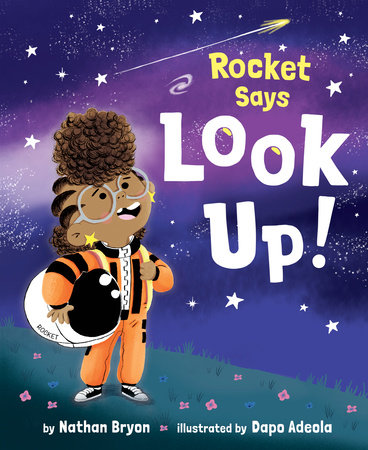
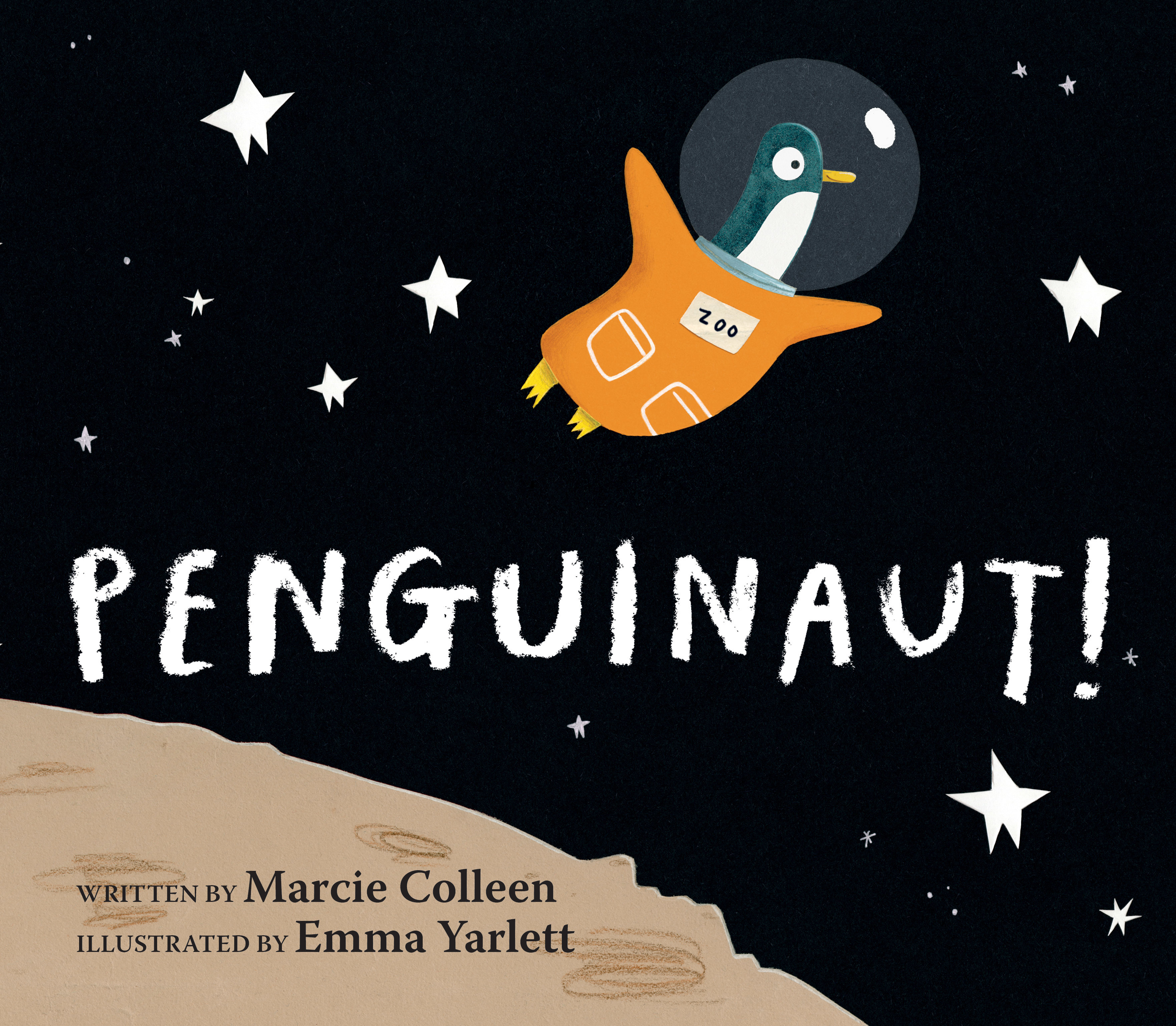
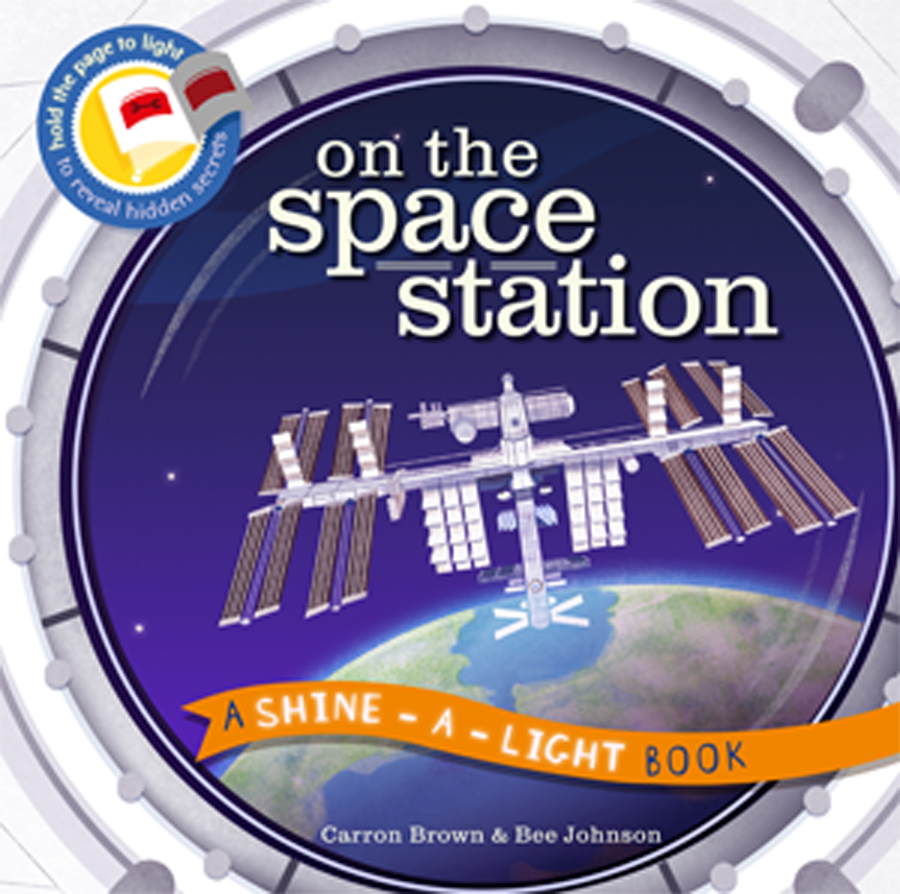
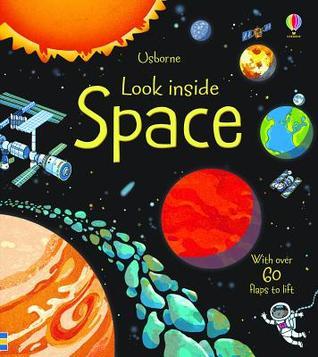
Books: 
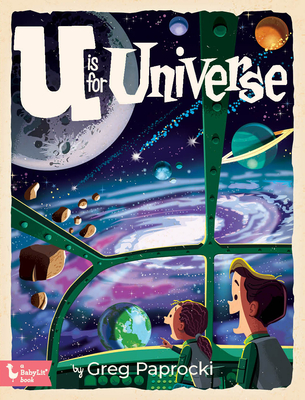
Fiction Books for preschoolers and lower elementary:

Non-Fiction Books for preschoolers and lower elementary:


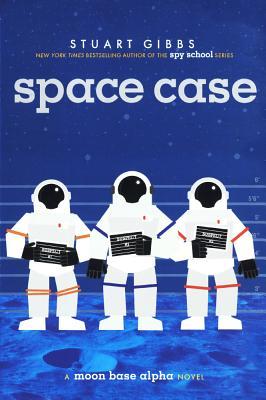
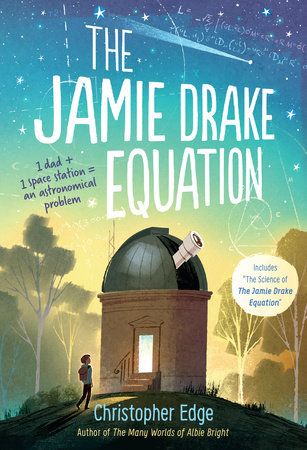
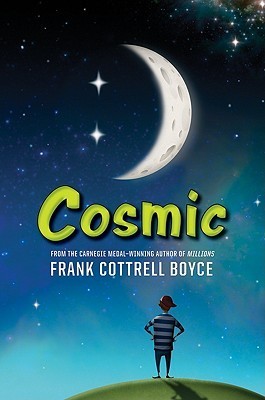
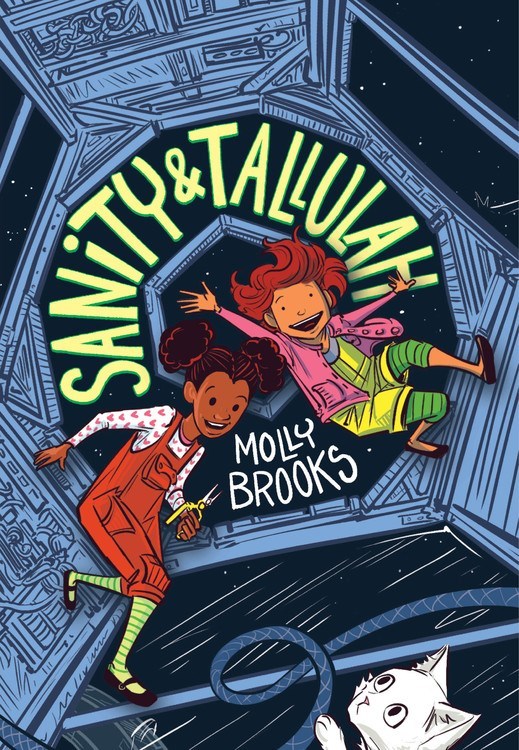
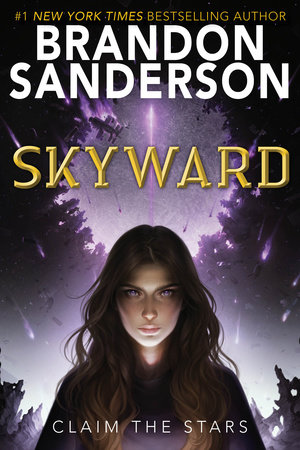
Fiction Books for upper elementary and middle schoolers:


Non-Fiction Books for upper elementary and middle schoolers:

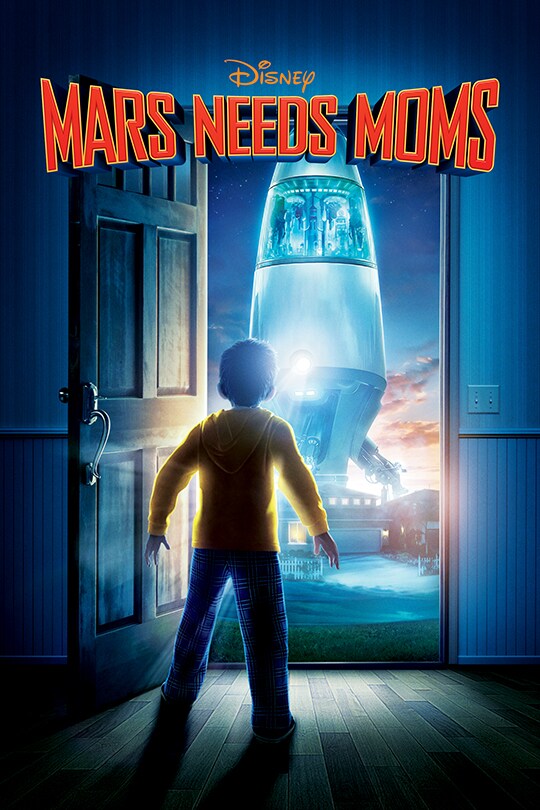
Movies:

Youtube videos:
My themed playlist here

ASL:

Space
Hold your hands in front of you, palms facing each other.
Move them apart slowly to show how big space is.
Look upward to show “outer space.”

Star
Point both index fingers up.
Rub them past each other a few times in tiny up-and-down motions — like twinkling stars.

Sun
Make a “C” hand near your forehead.
Move it outward and open your fingers wide — like sunshine coming out.
Smile like it’s bright!

Moon
Make a small “C” shape with your thumb and index finger.
Place it by your eye and move it up a little — like a crescent moon in the sky.

Earth/World
Make a fist with one hand (that’s the planet).
With the other hand, wrap your thumb and middle finger around it and twist a little — like the Earth turning.

Planet
Use one hand to make a small circle around your other hand — like a planet orbiting.
You can also sign “EARTH” if you mean “planet.”

 Rocket
Make the letter “R” (cross your fingers).
Place it on your other flat hand (the launch pad).
Then zoom it upward fast — like a rocket blast-off!

 Astronaut
Pretend to put on a big round helmet with both hands — that’s your space helmet!
You can also spell it: A-S-T-R-O-N-A-U-T.

Satellite
Hold one hand still (Earth).
Use your other index finger to go in circles around it — like a satellite orbiting.

 Orbit
Point one finger and make it go in a circle around something in the air — that’s how planets orbit the sun.

Comet/Shooting Star
Point up, then move your finger fast across the sky — like a star shooting through space.
You can trail your fingers behind it to show the comet’s tail.

Alien
Touch your forehead with your index finger, then move it up into a bent “V” shape — like antennas!
Or just spell it: A-L-I-E-N.

Life Skills:
For Toddlers (1–4 Years)
Theme: Learning Like Little Astronauts
Focus: Independence, routines, and sensory exploration

Suit Up Practice (Dressing Skills)
Pretend to put on a space suit — gloves, boots, helmet (use coat, shoes, hat).
Skill: Practice putting on and taking off clothes.
Space Connection: Astronauts must learn to dress carefully in gear.

Mission Cleanup
Pick up “space rocks” (balls or toys) and return them to the “rocket base” (toy bin).
Skill: Cleaning up after playtime.
Space Connection: Astronauts must keep the spacecraft tidy and safe.

Snack Time Space Prep
Help open snack containers or pour water into a cup.
Skill: Fine motor control and self-feeding.
Space Connection: Astronauts eat carefully packaged food in space.

Rocket Hand Washing Countdown
Count down from ten while scrubbing hands (“10…9…8…”).
Skill: Proper hand washing.
Space Connection: Astronauts must stay germ-free in space.

Space Sorting Station
Sort “moon rocks” by color or size.
Skill: Categorization and visual discrimination.
Space Connection: Scientists sort space samples by type and size.

For A Little Older Kids (5–8 Years)
Theme: Becoming Junior Astronauts
Focus: Daily routines, responsibility, and early safety awareness

Astronaut Morning Routine Chart
Brush teeth, get dressed, make the bed, and check off each step on a “launch checklist.”
Skill: Morning routine management.
Space Connection: Astronauts use checklists before every mission.

Space Snack Prep
Make a “space mix” with cereal, pretzels, and dried fruit.
Skill: Basic food prep and nutrition awareness.
Space Connection: Astronauts mix small meals in zero gravity.

Laundry Lift-Off
Sort light and dark clothes into different baskets.
Skill: Sorting laundry.
Space Connection: Astronauts must keep clothing organized for cleaning in space.

Space Safety Practice
Role-play what to do in different emergencies, like getting lost or needing help.
Skill: Safety awareness.
Space Connection: Astronauts practice safety drills before missions.

Budgeting Galaxy Game
Use play money to “buy supplies” for a space trip.
Skill: Early money management.
Space Connection: NASA plans budgets carefully for every mission.

For Older Kids (8-13 Years)
Theme: Space Crew Members
Focus: Problem-solving, teamwork, and responsibility

Mission Menu Planning
Plan a healthy “space menu” for one day.
Skill: Nutrition and meal planning.
Space Connection: Astronauts plan balanced meals for long missions.

Space Laundry and Cleaning Rotation
Create a “crew schedule” for household chores.
Skill: Organization and responsibility.
Space Connection: Each astronaut has daily maintenance tasks on the space station.

Communication Control Center
Practice using calm, clear language to report problems or ask for help.
Skill: Communication and self-expression.
Space Connection: Astronauts must communicate clearly with mission control.

Budget Your Mission
Use a small budget to “buy supplies” for a craft or snack project.
Skill: Basic budgeting and planning.
Space Connection: NASA manages limited resources for space travel.

DIY First Aid Pack
Learn what items go in a first aid kit and what each one does.
Skill: Health and safety awareness.
Space Connection: Astronauts are trained to perform first aid in space. 

Field Trips:
Planetarium Visit – Watch a show about the stars and planets.

Science Museum – Explore space exhibits, rockets, and astronaut gear.

Stargazing Night – Go somewhere dark and look at constellations and planets.

Rocket Launch Project – Visit a local park and launch small model rockets.

Space Simulation Day – Create a “Mission Control” and “Crew” experience at a local science center.

Virtual Space Field Trip – Watch NASA tours or space station videos online.

Coloring pages:

No comments:

Post a Comment

I Scream, You Scream Horror Movie Challenge Intro

I Scream, You Scream Horror Movie Challenge is a feature where every month I am challenging myself to watch every movie on one bingo card. T...